
25+
Years Of Experience
Install Units That Heat Water on Demand
Water heater and tankless water heater installation for consistent hot water supply.
Your water heater stops producing hot water, or it runs out halfway through a shower. Traditional tank units hold a finite volume of heated water, while tankless systems heat water as it flows through the unit. A. Gomes Service installs both types based on your household demand and available space.
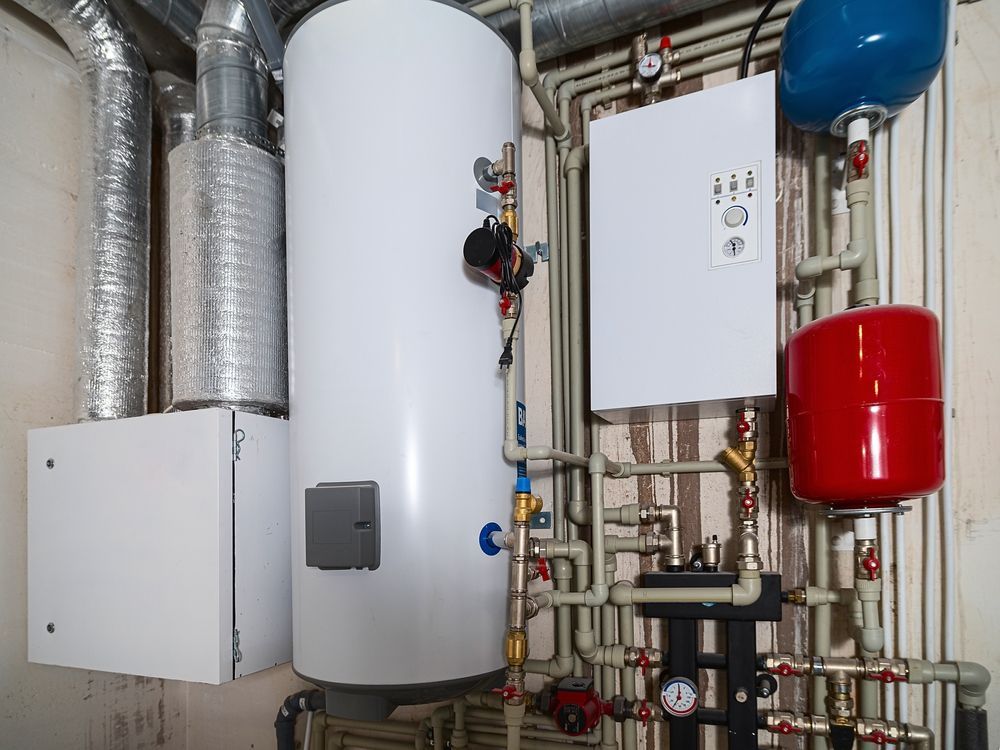
Water heater installation involves removing the old unit, connecting supply and drain lines, and setting up electrical or gas connections for the new system. Tank models store heated water in an insulated reservoir, while tankless water heaters use high-powered burners or elements to heat water instantly. The choice depends on how much hot water you use at once and whether you prefer continuous supply or a stored reserve.
If your current water heater is failing or you want to switch to a tankless system, contact A. Gomes Service to review your options and schedule installation.
How Tank and Tankless Systems Differ
Tank water heaters store 40 to 80 gallons of hot water and maintain temperature using a thermostat and heating element or burner. Tankless water heaters heat water only when you open a hot water tap, using powerful burners or electric coils to raise the temperature instantly. A. Gomes Service sizes and installs both types based on your household size and usage patterns.
After installation, you will have consistent hot water at the temperature you set. With a tank unit, you will have a reserve of heated water ready for high-demand periods like morning showers. With a tankless system, you will have unlimited hot water as long as the flow rate stays within the unit's capacity. Both systems eliminate the cold showers and wait times caused by a failing water heater.
Installation includes venting for gas units, electrical connections for electric models, and proper placement to meet code requirements. If switching from tank to tankless, additional plumbing or gas line work may be needed to handle the higher flow and fuel demand. The existing space and utility setup will determine what modifications are required.
Questions Before You Choose a New Unit
Choosing between tank and tankless water heaters involves understanding capacity, cost, and how each system fits your home. These questions cover the details most homeowners need before making a decision.
A. Gomes Service installs tank and tankless water heaters sized to match your household demand and fuel type. If your current unit is failing or you want to upgrade to a more efficient system, get in touch to discuss installation and schedule a visit.